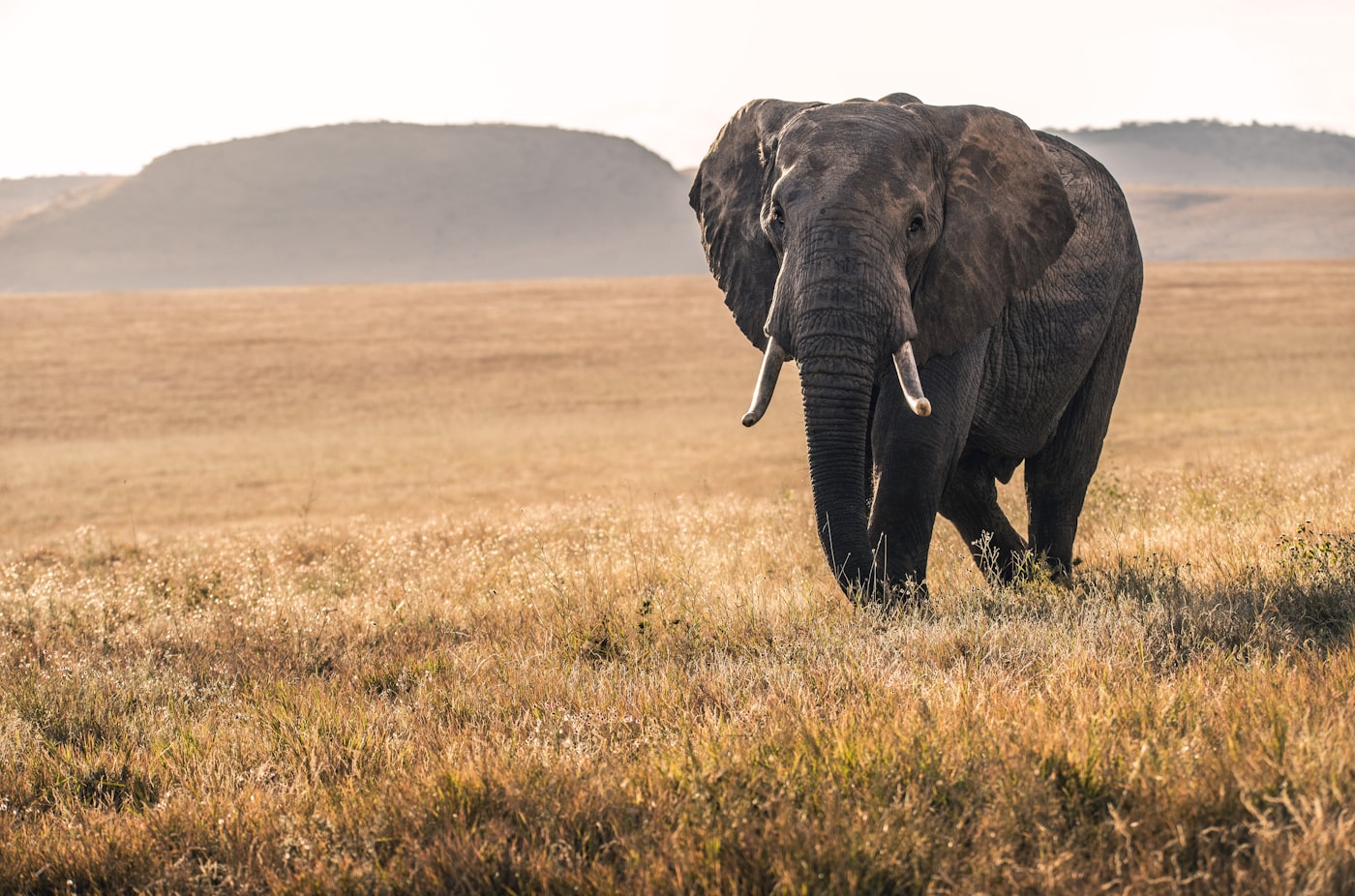
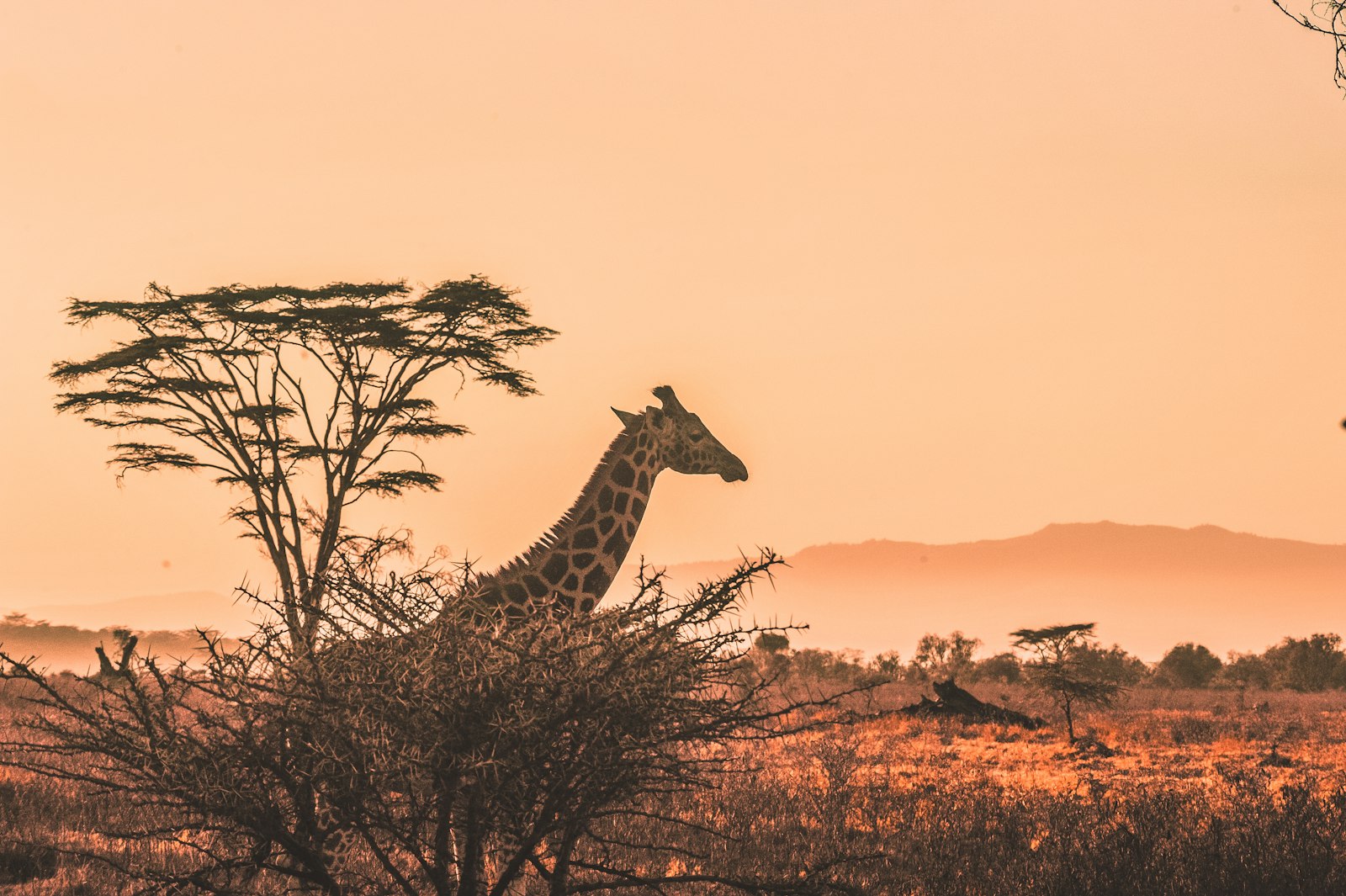
A complete planning manual for a self-drive 4x4 crossing of Zimbabwe via Botswana and back through South Africa. Built from the field notes of multiple recent expeditions, distilled into what you actually need to know to plan, pack, and pull it off.

At a glance
| Total days | 17–18 |
| Total distance | ~4,000 km |
| Style | Self-drive 4x4, mostly camping |
| Vehicle | Toyota Hilux 4x4 or equivalent, with high clearance |
| Group size | 6–15 (3 vehicles is the sweet spot) |
| Best season | May to October (dry, cool nights) |
| Avoid | November onward — Gonarezhou floods, tracks become impassable |
| Budget | ~€650–900 per person common kitty + flights + visas |
| Difficulty | Demanding: long driving days, dust, off-road sections, basic facilities |
This is not a soft safari. Plan for dust on every surface, washing in tepid water, and three to four hours of driving every day on rough roads. In return: animals in numbers you will not see in better-trodden countries, and a pace of contact with the land that has all but disappeared elsewhere.
Before you go
Best season
The dry months — May through October — are when this trip works. Cool nights (down to 0 °C in higher places like Matobo), dry days (25–30 °C), no rain, dust everywhere, and animals concentrated around the few remaining waterholes. August and September are prime: maximum animal density, comfortable temperatures.
Avoid November to March: tracks in Gonarezhou and the southern half of Hwange flood and become unsafe; hours of daylight shrink driving windows; and humidity makes the camping miserable.
How long
Seventeen days is the minimum for a meaningful loop. Eighteen if you include Victoria Falls and Matusadona. Don’t try to compress it: the distances are real and the borders eat hours.
Passports & visas
| Country | Visa | Cost | Notes |
|---|---|---|---|
| South Africa | None for EU/UK/US passports | Free | 90-day stamp on arrival |
| Botswana | None | Free | 30-day stamp at land borders |
| Zimbabwe | Required | $30 single, $35 multiple-entry | Buy at the border, cash USD only |
Passport must be valid for 6 months beyond entry, with at least 4 blank pages. Children require additional documents in South Africa — check separately.
Health & vaccines
Nothing is mandatory for travellers arriving from Europe, but:
- Yellow fever certificate is required if you transit via Ethiopia (some Emirates/Ethiopian Airlines routings). Carry it if in doubt.
- Malaria prophylaxis recommended. Risk is low in dry season but the disease is endemic. Speak to a travel clinic 4–6 weeks before departure.
- Bring a personal medical kit: broad-spectrum antibiotic, antihistamine, anti-diarrhoea, antipyretic, throat lozenges, eye drops (for dust), wound dressings, insect repellent (DEET-based), sun cream, lip balm.
Travel insurance
Take comprehensive medical evacuation cover. The nearest Western-grade hospital from many points on this route is in Johannesburg or Bulawayo. Verify your policy covers self-driving in remote areas — many standard policies don’t.
Money
What currency, where
| Country | Currency | Notes |
|---|---|---|
| South Africa | Rand (ZAR) | Cards widely accepted |
| Botswana | Pula (BWP) | Cards in cities; cash on remote roads |
| Zimbabwe | US Dollars | The official currency in practice; carry cash |
The Zimbabwean dollar exists on paper but is almost never used. Plan to do the entire Zimbabwe leg with US dollars in cash.
USD bills for Zimbabwe — a critical detail
Zimbabwean traders and officials reject USD notes that are:
- Issued before 2009
- Marked, torn, folded, stapled, or written on
Ask your bank for a clean stack of post-2009 bills in small denominations: 1, 5, 10, and 20. You will need exact change repeatedly (parks, fuel, supermarkets). Carry a flat envelope in a money belt; do not crumple them in a wallet.
Where to change
- Johannesburg airport: convenient but expensive (5% commission). Change only what you need for the first 2–3 days.
- Martin’s Drift border (Botswana side): only do the minimum — exchange rates are predatory.
- Botswana petrol stations and supermarkets: better rates.
- Zimbabwe: do not bring Pula in. They are not accepted and cannot be changed.
Bring cash in Euros or USD as your main reserve, and use cards for big-ticket items in South Africa (lodges, fuel, supermarket spend).
Estimated costs
For a group of 12–14 sharing a common kitty (cassa comune):
| Item | Per person |
|---|---|
| Park entries | ~$150 |
| Fuel | ~$200 |
| Camping fees | ~$200 |
| Food & drink (groceries) | ~$120 |
| Visas, vehicle taxes, tolls, tips | ~$150 |
| Total common kitty | ~$820–950 (€780–900) |
Add: international flight (€800), vehicle hire share (€200 per person, paid separately), personal extras, and tips for the local driver/guide.
The route, day by day
The route below is the classic counter-clockwise loop from Johannesburg, into Botswana, across into Zimbabwe, and back south through Gonarezhou and Beitbridge. Distances are practical, not aspirational.
| Day | From → To | Km | Drive | Stop |
|---|---|---|---|---|
| 1 | Italy → Johannesburg | — | flight | — |
| 2 | Johannesburg → Modimolle (Vaalwater) | 200 | 3 h | Pick up vehicles, first shop, soft landing |
| 3 | Modimolle → Martin’s Drift → Khama Rhino → Letlhakane | 600 | 9 h | Long transfer; first border |
| 4 | Letlhakane → Makgadikgadi Pan → Kubu Island | 280 | 6 h | Sleep at the rocks |
| 5 | Kubu → Nata → Elephant Sands | 170 | 5 h | Waterhole camp |
| 6 | Elephant Sands → Hunter’s Road → Pandamatenga | 215 | 7 h | Cross into Zimbabwe |
| 7 | Pandamatenga → Hwange (Sinamatella) | 140 | 7 h | First park night |
| 8 | Hwange game drive → Masuma Dam or Main Camp | 160 | full day | Northern Hwange |
| 9 | Hwange → Tsholotsho → Lubizi (bushcamp) | 195 | 8 h | Cross south through the park |
| 10 | Lubizi → Bulawayo → Matobo | 280 | 6 h | Resupply Bulawayo |
| 11 | Matobo → Mandamambge (bushcamp) | 345 | 8 h | Granite, San caves |
| 12 | Mandamambge → Great Zimbabwe → Gonarezhou (Chipinda Pools) | 400 | 8 h | Ancient walls, river camp |
| 13 | Gonarezhou game drive | 140 | full day | Chilojo cliffs |
| 14 | Gonarezhou → Malipati gate → bushcamp | 240 | 8 h | Buffer zone |
| 15 | Bushcamp → Beitbridge → Polokwane | 360 | 7 h | Border out, asphalt resumes |
| 16 | Polokwane → Cullinan Mine → Pretoria | 320 | 4 h | Soft last day |
| 17 | Pretoria → Soweto → Johannesburg → Italy | 140 + flight | — | Drop vehicles, fly home |
| 18 | Arrive Italy | — | — | — |
Optional add-ons (each adds 1 day):
- Victoria Falls: detour from Pandamatenga, sleep one night in town, then enter Hwange via the southern Robins Camp gate.
- Matusadona / Lake Kariba: detour west from Hwange via Binga to Tashinga Camp on the lake.
- Khami ruins: half-day from Bulawayo (combine with Matobo).
Borders: what happens, in order
The borders are the most predictable obstacle on the trip. Knowing the choreography saves hours.
South Africa → Botswana (at Martin’s Drift)
- South Africa exit: passports stamped, vehicle exit form. ~30 minutes.
- Botswana entry: passport stamp, no fee.
- Vehicle insurance: Pula 60 per private vehicle, Pula 180 per rental. Cash only at the kiosk.
- Foot-and-mouth check: no fresh fruit, vegetables, or meat allowed. Eat or discard before the gate.
- Currency exchange: 100 m past the gate at the petrol station. Better rate than the border kiosk.
Total: 1–2 hours.
Botswana → Zimbabwe (at Pandamatenga)
The smallest, slowest, and quietest border on the route.
- Botswana exit: stamps, ~15 minutes.
- Zimbabwe entry: visa $30 cash USD per person, fill out form. ~30 minutes.
- Vehicle Carbon Tax: $50 per vehicle.
- Insurance extension: $70 per rental vehicle, $50 per privately-owned vehicle.
Total: 2–2.5 hours. No ATM, no money changer, no shop. Arrive with USD cash for everything.
Zimbabwe → South Africa (at Beitbridge)
The slowest crossing of the trip. Plan a full half-day.
- Toll plaza on Zimbabwe side: ticket dispensed.
- Police Department counter: vehicle documents inspected.
- Passport Control: exit stamps.
- Vehicle exit fee: $27 per vehicle.
- Bridge toll: $9 per vehicle.
- Wait for vehicle plate to display on the screen, swipe ticket, barrier opens.
- Drive across the bridge.
- South Africa entry: passport stamps, vehicle declaration. 1.5–2 hours of queueing, sometimes more.
Total: 2.5–4 hours. Bring water, snacks, and patience.
The vehicle
What to hire
Toyota Hilux 4x4 double-cab, diesel, manual transmission, with a closed (canopy) cargo bed. The Hilux is the standard southern African workhorse: parts are everywhere, mechanics know it, and it tolerates abuse. Avoid lower-clearance SUVs.
For 12–14 people, hire 3 identical vehicles. The local guide brings their own vehicle as the lead.
Cross-border permits
The rental company must provide a “cross-border letter” for both Botswana and Zimbabwe, in the name of each driver who will be at the wheel at a border. This is non-negotiable. Confirm in writing at least two weeks before departure.
GPS and navigation
A handheld GPS with pre-loaded tracks is essential, not optional. Many of the most rewarding sections — Hunter’s Road, the southern half of Hwange, the back roads from Matobo to Great Zimbabwe, and the southern Gonarezhou — are not on standard maps and the local driver has likely never been there.
Recommended apps and tools:
- Maps.me (offline maps, very good detail in southern Africa)
- Tracks4Africa (paid; the standard offline GPS database for self-drivers in the region)
- Garmin GPS with the relevant T4A maps loaded
- A paper map: Tracks4Africa Zimbabwe & Botswana (~€25)
Driving rules and habits
- Drive on the left.
- Always wear seatbelts, including in the back seat. Botswana and Zimbabwe police fine for this.
- Stop fully at every stop sign, including at empty crossings. This is enforced.
- At unsignalled four-way junctions, first to arrive is first to leave, regardless of direction.
- Never drive at night. Pothole-strewn asphalt, no street lighting, unfenced livestock and wildlife on the road. If you have to, convoy with hazards on, max 60 km/h.
- Plan no more than 400 km on dirt, 500 km on asphalt per day. Average dirt-road speed is 30 km/h.
Police checkpoints
Frequent on tarred roads, especially in Botswana and Zimbabwe. Most are routine. Keep:
- Driver’s licence (international + national)
- Vehicle registration
- Cross-border permit
- A small bill ($5 USD or 100 Rand) ready in the door pocket for occasional “discussion fees”
Be courteous, smile, say where you are going. Do not argue speed-trap fines; they are not worth the hour.
Fuel and range
Prices (indicative)
| Country | Diesel | Notes |
|---|---|---|
| South Africa | ~$1.30 / litre | Card accepted everywhere |
| Botswana | ~$1.20 / litre | Cheapest — fill up here |
| Zimbabwe | ~$1.65–1.70 / litre | Cash USD; stations are sparse |
Range strategy
- Vehicle tank: ~80 litres → ~650–700 km between fill-ups on asphalt, ~500 km on dirt.
- Carry 4 jerrycans of 20 L each on the lead vehicle’s roof rack. Fill them in Pandamatenga on the Botswana side before crossing into Zimbabwe (cheapest, last reliable station before a long stretch).
- In Zimbabwe, fill the tank at every functioning pump you pass. Some advertised stations are dry.
Where to fill
- South Africa: anywhere on the N1.
- Botswana: Martin’s Drift (after border), Serowe, Letlhakane, Nata, Pandamatenga.
- Zimbabwe: Hwange Main Camp area, Bulawayo (multiple), Masvingo, Chiredzi, Beitbridge approach.
Sleeping
Park camps (Zimbabwe)
A change as of 2024: most Zimbabwe park camps now require pre-booking through Zimparks, via WhatsApp to the central office in Harare. The web is unreliable. Plan to book 2–3 months ahead, especially for high-season (August–September) and around Zimbabwean public holidays.
| Camp | Park | Cost (approx.) | Book ahead? |
|---|---|---|---|
| Sinamatella | Hwange | $17 / pax + $10 car | Yes |
| Robins Camp | Hwange | $20 / pax | Yes |
| Main Camp | Hwange | $17 / pax + $10 car | Yes |
| Masuma Dam (bushcamp) | Hwange | $40 / pax | Essential — limited spots |
| Maleme Dam | Matobo | $17 / pax + $3 car | Yes |
| Chipinda Pools | Gonarezhou | $20 / pax + $5 car | Yes |
| Chilojo Camp (no facilities) | Gonarezhou | $20 / pax | Yes |
| Tashinga | Matusadona | $15 / pax + $10 car | Yes |
Most camps offer a basic ablution block with a wood-fired hot water boiler. Some have nothing but a clearing.
Wild / bush camping
Permitted across most of rural Zimbabwe (as of 2024) — but always ask permission of the nearest village headman before pitching a tent. Offer something in return: a small contribution, supplies, a meal. Avoid camping closer than 1 km to a village — drunk visitors after dark are not what you want.
The Hunter’s Road is a classic bush-camp option, fully unmonitored.
Lodges (recommended splurges)
- First and last night near Pretoria (Twana Lodge, ~$15–20 / pax) — reliable, friendly, hot showers after the road.
- Victoria Falls if you go: Shoestring Hostel or one of the budget lodges (~$50–70 / pax). Town is touristy; embrace it for one night.
- Bulawayo if you want a city break mid-trip: N.1 Hotel in the centre (~$30 / pax).
Equipment provided by the operator
The local operator typically supplies:
- Tents (dome, 3-person, one per 2 pax)
- Self-inflating mattresses (confirm — sometimes you need to ask)
- Cook box: stove, gas, pots, plates, cutlery, basic utensils
- Tables and chairs
- Cooler / fridge (in lead vehicle)
You bring: sleeping bag (comfort 0–5 °C), pillow, towel, headlamp.
Parks: entry fees and what to expect
| Park | Entry | Vehicle | Camping | Notes |
|---|---|---|---|---|
| Hwange | $10 / pax / day | $10 | $17 (basic) – $40 (bushcamp) | Largest park; northern half is the best |
| Matobo | $8–12 / pax | $3 | $10 | Granite, caves, no big game |
| Great Zimbabwe | $15 / pax | included | — | Half-day visit |
| Gonarezhou | $20 / pax / day | $5 | $20 | River country, Chilojo cliffs |
| Matusadona | $25 / pax | $10 | $15 | Lake camps, drowned forest |
| Victoria Falls | $50 / pax | parking $5 | — | Single entry only — no return for sunrise |
Foreign-resident drivers (i.e. your South African guide) often pay a reduced “SADC rate” — typically ~30 % less.
Food and water
Strategy
- Bring from Italy: 500 g cured meat or hard cheese per person (vacuum-packed), one packet of pre-grated parmesan (one is enough — it moulds after 10 days), olive oil in tins, salt, pepper, garlic, dehydrated risotto sachets for emergency dinners.
- Big shop in South Africa (day 2): pasta, rice, canned tomato, canned tuna, canned vegetables (beans, peas, corn), bread, biscuits, jam, peanut butter, instant coffee, tea, sugar, cooking oil, breakfast cereals, long-life milk, 5 L water bottles (×30 for a group of 14), boxed wine, beer.
- Top-up shopping in Zimbabwe: meat (cheaper than European prices, fresh), eggs, bread, potatoes, onions, fresh fruit. Avoid relying on Zimbabwean supermarkets for staples — selection is limited and prices high.
Supermarkets to know
- South Africa: Pick n Pay or Spar at any large Engen / Sasol service plaza on the N1.
- Botswana: Spar in Serowe, Nata, Letlhakane.
- Zimbabwe: Spar and Pick n Pay in Bulawayo (the most reliable resupply point of the trip), TM Supermarket in Chiredzi.
Water
- Plan 5 litres per person per day: drinking, cooking, washing dishes, brushing teeth.
- Buy in 5 L jerrycans where possible: cheaper and more durable than 1.5 L bottles.
- Refill points: only in towns. Carry empty containers — they are reusable.
- Carry a small bottle of Micropur water purification tablets as backup. Used rarely.
Connectivity and communication
What works, where
| Area | Mobile data | Wifi |
|---|---|---|
| Johannesburg / Pretoria | Excellent | Lodges, restaurants |
| Botswana cities | Patchy 3G | Lodges only |
| Botswana off-road | None | None |
| Zimbabwe cities (Bulawayo, Harare) | 3G–4G | Hotels |
| Zimbabwe parks & rural | None | None |
| Victoria Falls | Slow wifi | Hotels and bars |
SIM cards
Local Zimbabwean SIMs (Econet, NetOne) cost ~$10 with passport registration but are barely usable outside cities. Don’t bother unless you have a specific need.
Tell people at home
You will be offline for most of the trip. Send your itinerary to a family member before you go. Set expectations: “I’ll be out of contact between day 4 and day 12.”
For emergencies, the local operator and guide carry satellite communications.
Packing list
Clothing
- 4–5 t-shirts (light colours; dark attracts insects)
- 2 long trousers (zip-off cargo type ideal)
- 1 pair shorts
- 1 long-sleeve shirt (light colour, against sun and mosquitoes)
- 1 fleece + 1 windproof jacket
- 1 light puffer or warm jumper for cold nights (Matobo: below freezing)
- 1 raincoat / k-way
- Sun hat + warm beanie
- Buff or scarf (against dust)
- Hiking shoes (mid-cut, dust-proof if possible)
- Sandals or shower flip-flops
- 4–5 pairs cotton/wool socks
- Underwear for 7–8 days (laundry possible at lodges)
- Swimwear (Lake Kariba, Victoria Falls)
Sleeping & camping
- Sleeping bag, comfort 0–5 °C
- Inflatable pillow
- Headlamp + spare batteries (essential — camps are pitched in the dark)
- Earplugs (for snorers and night sounds)
- Sleeping mat / liner (the operator’s mattresses are basic)
- Padlocks for tent zips (baboons unzip tents — confirmed)
- Backpack rain cover (or use heavy garbage bags) against dust
Tools & equipment
- Multi-tool / Swiss knife (in checked luggage only)
- Small torch as backup
- Power bank + USB car charger (cigarette-lighter to USB)
- Universal travel adapter (Type M for South Africa, Type G/D in Zimbabwe)
- Power strip (one shared wall socket per group is common)
- Binoculars (8x42 or similar)
- Small day pack
- Water bottle (1 L, sturdy)
- Sunglasses (polarised) + spare pair
Toiletries & medical
- Sun cream (SPF 50+)
- Lip balm with SPF
- Insect repellent (DEET 30–50 %)
- Personal medication
- Antibiotics (broad-spectrum — get from your GP)
- Anti-diarrhoea, antipyretic, antihistamine
- Throat lozenges (cold air + dust = sore throat by day 3)
- Eye drops
- Plasters, antiseptic wipes
- Wet wipes (essential — replace showers on bush nights)
- Toilet paper (1 roll personal in your day pack)
Documents
- Passport + 2 photocopies (one in main bag, one with you)
- 2–3 passport-sized photos in case of replacement
- International driving permit (Vienna model, valid 3 years) — required
- Travel insurance certificate
- Vaccination certificate (yellow fever if applicable)
- Credit card with embossed numbers (some rentals require)
- Cash: clean USD bills (post-2009, small denominations)
From the kitchen at home
- 500 g vacuum-packed cured meat or hard cheese
- 1 small packet grated parmesan
- 1 olive oil tin (1 L)
- Salt, pepper, garlic, chilli flakes
- 2 emergency risotto sachets (Knorr or similar)
- A roll of kitchen paper
As a group
- 2 large garbage bags + 2 small per person (dust covers, waste, organisation)
- 4 dish sponges + 2 abrasive sponges
- Old dish towels (5–6, expendable)
- Pot holders (4)
- Wooden spoon, ladle, slotted spoon, sharp knife, small chopping board
- Tin foil + cling film
- Dish soap (1 bottle)
- Lighter (3 — they get lost), firelighters
- Permanent marker, masking tape (label food boxes)
- Sewing kit
- Work gloves (for tyre changes)
- Spare tent pegs and guy lines
- 4 jerrycans of 20 L (filled with diesel in Botswana)
- 2 jerrycans of 5–10 L (water reserve)
Things that go wrong (and what to do)
Vehicle breakdown. Carry a basic toolkit, spare tubes, jump leads, tow rope. The local guide handles most field repairs. Confirm the rental’s roadside assistance covers Zimbabwe (many don’t).
Tyre punctures. Expect 2–4 over the trip across the convoy. Repair at the next town (Bulawayo, Chiredzi, or Polokwane have decent tyre shops). Carry a 12 V air compressor.
Border delays. Build a 2-hour buffer into any day that includes a border crossing. Beitbridge specifically: arrive before 14:00 to be sure of clearing before nightfall.
Park camps full. Confirmed bookings are now essential. Have a fallback: bushcamp outside the park if turned away.
Police “fines”. Smile, comply, negotiate quietly. $5–10 USD usually settles speed traps. Never hand over your original passport — copy is fine.
Rental car company adding charges after return. Common scam. Photograph the vehicle inside and out at pickup AND drop-off. Get a written “no damage” report from the agent. Dispute fraudulent post-return charges immediately via the rental’s main customer service, copying your booking agency.
Running out of cash. ATMs are unreliable in Zimbabwe. Carry at least 30 % more USD cash than your projected need.
Someone needs to fly home. The closest international airport from most of the route is Bulawayo (BUQ), with daily flights to Johannesburg. Beitbridge to Joburg is a 6-hour drive.
This guide is built from the field reports of multiple expeditions across this route. Distances, costs and procedures change — but the spirit of the trip does not. Plan well, pack light, drive slow, and let the country open to you.
If you spot something out of date, write back. The journal is alive.